Weekly Character Trait Video: Teaching the Power of Kindness to Young Learners
In today's fast-paced educational landscape, social-emotional learning (SEL) has emerged as a cornerstone for building resilient, empathetic, and successful children. While academic skills are vital, the ability to connect with others, manage emotions, and demonstrate positive character traits is equally crucial for early development. One of the most effective tools available to educators and parents for fostering these skills is the Weekly Character Trait Video for Kids. Specifically, this engaging resource focuses on the transformative power of kindness, offering a structured yet fun approach to character education for Pre-K through 3rd grade.
Why Kindness Matters in Early Childhood Education
Kindness is often misunderstood as simply being "nice" or polite. However, in the context of child development and SEL, kindness is a proactive skill that involves empathy, action, and intentionality. For young children aged 4 to 8, understanding the impact of their actions on others is a critical milestone. When students learn to recognize the needs of their peers and take steps to help, they build a foundation for lifelong emotional intelligence.
The Weekly Character Trait Video addresses this need by moving beyond abstract concepts. Instead of just telling children what kindness looks like, it shows them through relatable storytelling. This visual and auditory approach aligns perfectly with how young brains process information. By integrating a narrative about a character named Maya, the video makes the concept of kindness tangible and achievable, rather than an overwhelming expectation.
Meet Maya: A Story That Sparks Empathy
At the heart of this 1-minute animated video is Maya, a relatable protagonist who demonstrates kindness in a school setting. The story follows Maya as she notices a classmate struggling or feeling left out. Rather than ignoring the situation, Maya takes a moment to offer help, share, or include her peer. This simple narrative arc serves as a powerful mirror for young viewers.
How the Story Works:
- Observation: Maya sees someone in need, teaching children to be observant of their surroundings.
- Empathy: She feels for her classmate, modeling emotional connection.
- Action: She performs a specific kind act, showing that kindness requires initiative.
This segment is designed to be high-quality and engaging, ensuring that even the youngest learners remain captivated. The narration is child-friendly, using clear language that reinforces the message without confusing the audience. After watching Maya's journey, students are not just entertained; they are inspired to emulate her behavior.
The Weekly Mission: Turning Observation into Action
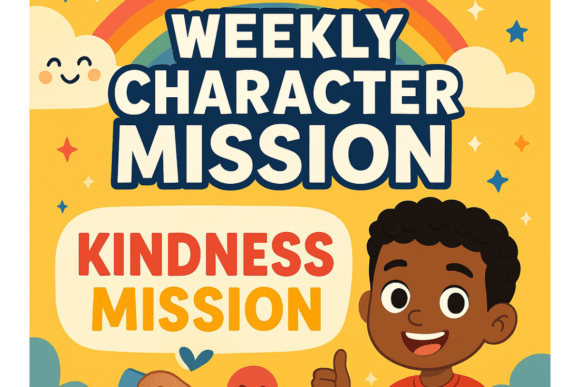
Watching a video is passive, but completing a mission is active. A key feature of this character education resource is the inclusion of a weekly mission. After the story concludes, students receive a specific challenge: to perform one kind act every day for the week. This transforms the lesson from a fleeting moment of inspiration into a sustained practice of good character.
Mission-based learning is highly effective because it gives children agency. They are not just told to "be kind"; they are given a roadmap to do so. Examples of missions might include:
- Complimenting a friend on their drawing.
- Helping a teacher clean up a mess.
- Inviting a lonely student to join a game at recess.
- Sharing a toy or snack with someone who forgot theirs.
This structure encourages consistency. By breaking down the broad concept of kindness into daily, manageable tasks, children experience the joy of giving and see the immediate positive reactions from their peers. Over time, these small acts accumulate, reshaping the classroom culture into one of mutual respect and support.
Practical Applications in the Classroom
The versatility of this kindness video for kids makes it an invaluable asset across various educational settings. Whether you are a traditional classroom teacher, a homeschool parent, or an educator in a distance-learning environment, this resource fits seamlessly into your routine.
Morning Meeting Openers
Starting the day with a positive tone sets the stage for learning. Playing this 1-minute video during morning meetings serves as an excellent icebreaker. It immediately shifts the focus from individual concerns to community values. Teachers can use the video as a prompt for discussion, asking students, "What did Maya do?" and "How would you feel if someone did that for you?"
SEL Lessons and Character Education Time
Social-Emotional Learning (SEL) curricula require concrete examples to illustrate abstract feelings. This video provides exactly that. It can anchor a broader lesson on empathy, conflict resolution, or friendship. Following the video, teachers can facilitate role-playing activities where students practice the kind acts shown in the story, reinforcing the neural pathways associated with prosocial behavior.
Behavior Management and Class Culture
Positive reinforcement is far more effective than punitive measures in managing behavior. By focusing on a weekly trait like kindness, teachers create a shared vocabulary for the class. When a student exhibits kind behavior, it can be recognized as fulfilling the "Weekly Mission." This approach fosters a sense of belonging and collective responsibility. Students begin to police their own behavior positively, encouraging each other to complete their missions and maintain a harmonious environment.
Distance Learning and Digital Integration
In the era of remote and hybrid learning, maintaining social connections can be challenging. This MP4 video is easily shareable via learning management systems (LMS), email, or video conferencing platforms. It allows students learning from home to participate in the same character-building activities as their peers in the classroom. The high-quality format ensures that the video plays smoothly on various devices, making it accessible for all families.
Addressing Common Misconceptions About Kindness
One common assumption among adults is that children naturally know how to be kind and will do so without guidance. While some children may have innate empathy, many require explicit instruction and practice to develop these skills fully. Another misconception is that kindness is a weakness or that being too nice leads to being taken advantage of. This video gently corrects these views by showing kindness as a strength—a courageous act of choosing to help others despite the busyness of the day.
Furthermore, some educators worry that short videos lack depth. However, the Weekly Character Trait Video proves that brevity does not equate to superficiality. In just one minute, it delivers a potent message that, when paired with the weekly mission, creates a deep and lasting impact. The repetition of the theme throughout the week reinforces the learning, ensuring that the concept sticks.
Building a Foundation for the Future
The benefits of introducing kindness early extend far beyond the elementary school years. Research consistently shows that children who engage in SEL programs exhibit better academic performance, fewer behavioral issues, and stronger relationships later in life. By starting with a tool like the Weekly Character Trait Video, educators are investing in the long-term well-being of their students.
As we prepare for back-to-school seasons or ongoing character development, resources that combine entertainment with education are essential. This video is not just a clip; it is a catalyst for change. It empowers children to become active agents of positivity in their communities. When students meet Maya and accept her mission, they step onto a path of growth that fosters empathy, respect, and collaboration.
Conclusion
Incorporating the Weekly Character Trait Video for Kids into your curriculum is a strategic move toward creating a nurturing and productive learning environment. With its high-quality animation, relatable story of Maya, and actionable weekly mission, this resource bridges the gap between theory and practice. It offers a practical solution for teaching the power of kindness to children aged 4–8, supporting their social-emotional growth while engaging them in fun, meaningful activities.
Whether used for morning meetings, distance learning, or dedicated character education time, this video helps build a positive classroom culture where every child feels valued and empowered to make a difference. By embracing this tool, educators and parents can ensure that the next generation grows up with a strong moral compass and a heart full of compassion.